When people hear the phrase build your personal brand, they often interpret it as a call to become more visible.
Post more. Attend more events. Accept every invitation. Say yes to every opportunity. Be everywhere.
But after nearly two decades working across fashion, media, technology, and business, I've learned that the opposite is often true.
The most memorable people aren't necessarily the most visible. They're the most intentional.
I first learned this lesson while building my career as an independent model in Los Angeles. Unlike agency models whose careers were largely directed for them, I understood that I was responsible for building my own brand. Every casting, every collaboration, every event, every photo, and every relationship contributed to how people would remember me. Long before personal branding became a buzzword, I realized I had to begin with the end in mind.
What did I want to become known for? That single question informed nearly every decision I made.
Later, it became one of the foundational lessons I taught inside The Modelpreneur Bootcamp. Before you chase visibility, you have to decide what your visibility should communicate. Otherwise, you're simply accumulating exposure instead of building a reputation.
Visibility and progress are not the same thing.
One of the biggest misconceptions in today's creator economy is that constant visibility equals momentum. It doesn't.
Someone can appear online every day without moving their career forward. Someone can attend every networking event without building a meaningful network. Someone can say yes to every opportunity while drifting further away from the reputation they actually want.
Visibility is activity. Reputation is strategy. Those are two very different things.
Familiarity has diminishing returns. There is another truth that few people talk about: people can get tired of seeing you. Not because they dislike you. Because your presence stops feeling significant.
When people begin to expect you'll be everywhere, your arrival loses its impact. Your attendance becomes ordinary rather than noteworthy.
Think about the leaders, founders, executives, and public figures whose presence carries weight. They aren't absent. They're selective. When they appear, it feels intentional. Their names become associated with quality rooms, meaningful conversations, respected organizations, and experiences that align with their values.
Over time, people stop thinking, "They're always everywhere." Instead they begin thinking, "If they're involved, it's probably worth paying attention." That distinction is invaluable.
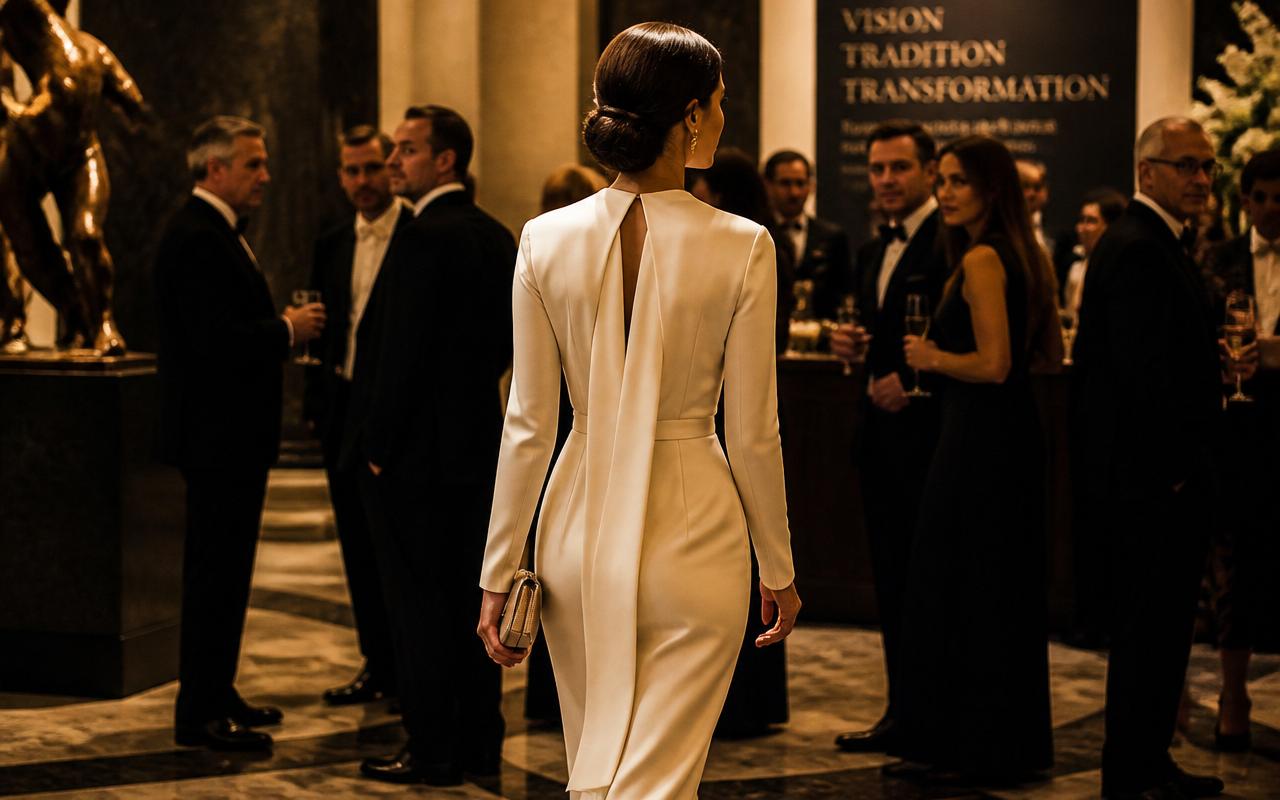
Curate your reputation the way you curate your wardrobe. Every appearance communicates something. Every event says something about your priorities. Every collaboration says something about your standards. Every platform you consistently occupy becomes part of your identity.
This doesn't mean becoming exclusive for the sake of appearing important. It means recognizing that your attention, your energy, and your reputation are finite resources. Spend them accordingly.
One of the most powerful career decisions you can make is learning that every "yes" also shapes what people believe you stand for.
The goal is not to be everywhere. The goal is to be unforgettable where it matters.
Build anticipation, not obligation. Your goal shouldn't be for people to expect your presence. Your goal should be for people to appreciate it. Leave room for anticipation. Leave room for curiosity. Leave room for your work to speak when you aren't in the room.
When your appearances become intentional rather than automatic, each one carries more influence.
Selective visibility is not avoidance. It is discernment. It is understanding that every room you enter contributes to your brand identity, whether intentionally or unintentionally. Every collaboration, appearance, panel, event, or social post becomes part of the story people tell themselves about who you are.
Luxury brands understand this deeply. They do not attempt to market to everyone simultaneously. Scarcity, curation, and environmental alignment are part of the appeal.
People are no different.
There is a difference between
- attentionvs.authority
- accessvs.alignment
- exposurevs.reputation
And in many cases, restraint communicates more powerfully than saturation ever could.
Especially for women, there is immense pressure to constantly perform visibility online. To always be present. Always posting. Always proving relevance. But some of the most powerful transformations happen quietly, before the world ever sees them.
Visibility should be an extension of identity, not a replacement for it.
Because when people truly know who they are, they stop chasing every room and start building standards around the spaces they enter.
Executive presence isn't about occupying every room. It's about understanding which rooms deserve your presence. The most respected professionals don't chase every opportunity to be seen. They build a reputation that makes the right opportunities seek them out.
That's the difference between attention and authority. And authority almost always wins.
This principle is one part of a larger framework I call Perception Engineering, the intentional practice of shaping how people experience, remember, and advocate for your personal brand. We'll explore that framework in a future article.
If you're unsure what your own personal brand should communicate, that's exactly why I created Ermatine. By helping you better understand your natural strengths, communication style, motivations, and patterns, you can make more intentional decisions about where you show up, how you show up, and ultimately, what you become known for.
That is selective visibility.